Introduction
Minimally invasive orthopedic surgeries are changing the way doctors treat joint and bone problems. These surgeries use small cuts and special tools. As a result, they often cause less pain and help people heal faster. Today, many people choose minimally invasive orthopedic surgery because it offers many benefits over traditional surgery. According to the World Health Organization, new surgical methods are helping more patients recover quickly and safely.
Common Conditions Treated with Minimally Invasive Orthopedic Surgeries
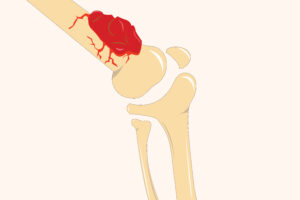
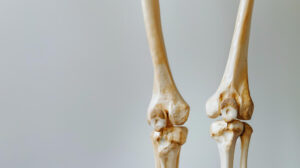
Doctors use orthopedic minimally invasive procedures to treat many joint and bone issues. For example, these surgeries can help with:
Because these surgeries use smaller cuts, they are often a good choice for many common orthopedic problems.
Symptoms and Indications for Surgery
Sometimes, joint or bone pain does not get better with rest or medicine. In these cases, minimally invasive orthopedic surgery may help. You might need surgery if you have:
However, your doctor will check your symptoms and decide if surgery is the best option.
Overview of Minimally Invasive Procedures
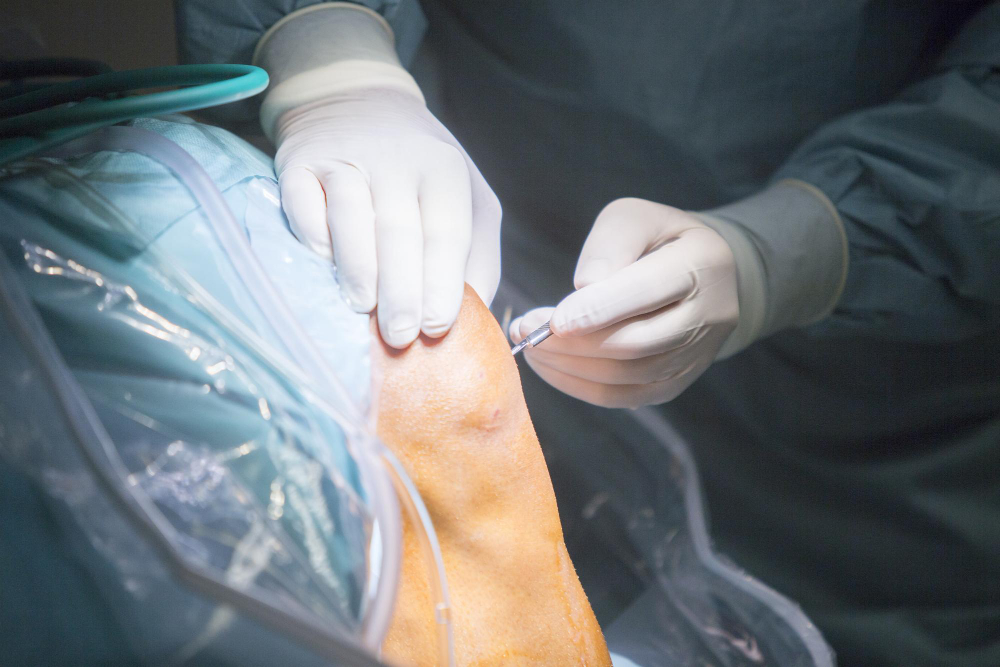
Minimally invasive orthopedic surgery uses small tools and cameras. For instance, doctors often use an arthroscope, which is a tiny camera that goes inside the joint. This lets the doctor see the problem without making a large cut. Some common types of minimally invasive orthopedic procedures include:
Unlike traditional surgery, these methods use smaller cuts. Because of this, there is less damage to healthy tissue. Also, patients often recover faster and have less pain.
Benefits and Risks
There are many benefits of minimally invasive surgery. For example, patients often experience:
However, every surgery has some risks. These may include:
Still, most people have good results with orthopedic minimally invasive procedures. The Centers for Disease Control and Prevention notes that careful planning can lower risks.
Diagnosis and Patient Selection
Before surgery, your doctor will do a full check-up. This may include:
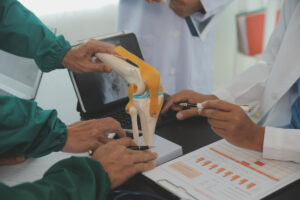
Not everyone is a good candidate for minimally invasive orthopedic surgery. For example, some people with severe joint damage may need traditional surgery. Your doctor will help you decide what is best for you.
Recovery Process and Aftercare
After minimally invasive orthopedic surgery, most people heal faster than with traditional surgery. Even so, recovery time can vary. Here is what you can expect:
However, it is important to follow your doctor’s advice. This helps you heal well and avoid problems.
Prevention and Lifestyle Tips for Joint and Bone Health
While surgery can help, it is best to keep your joints and bones healthy. Here are some tips:
By following these steps, you may lower your risk of joint and bone problems.
Conclusion
Minimally invasive orthopedic surgeries offer many benefits, such as less pain and faster recovery. However, they are not right for everyone. Consult an orthopedic specialist Dr Kamal Kishor Jajunda to learn if minimally invasive surgery is right for you.