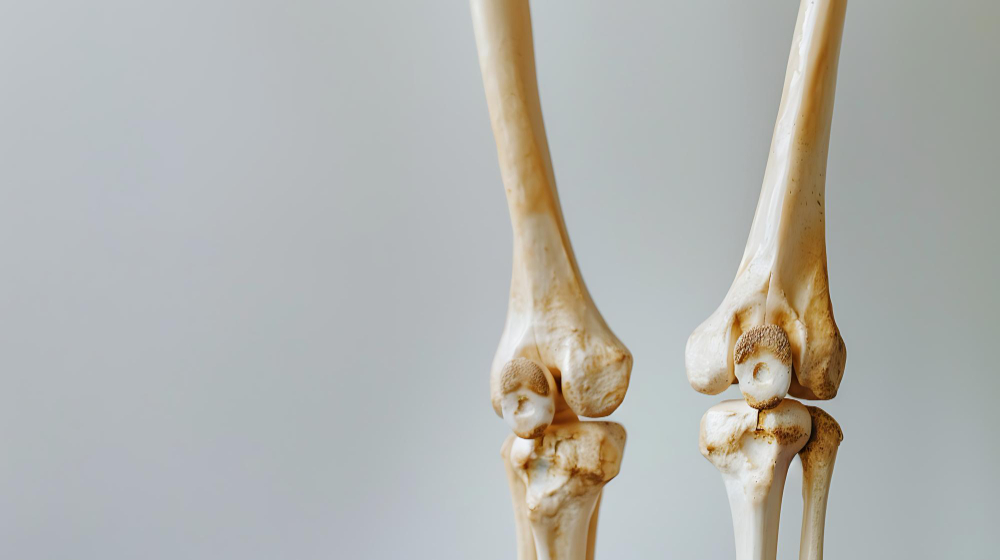
What is Fibrosarcoma of Bone?
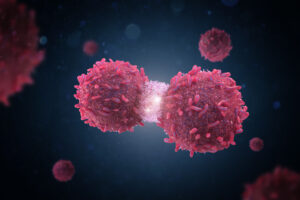
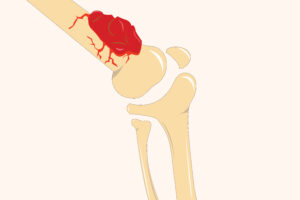
Fibrosarcoma of bone is a rare type of bone cancer. It starts in the cells that form fibrous tissue inside the bone. Because it is a type of bone tumor, it can weaken the bone and cause pain. Although it can affect people of any age, it is more common in adults. Early detection is important for better outcomes. For this reason, knowing the signs and treatment for fibrosarcoma of bone is helpful.
Common Symptoms
Many people notice symptoms slowly. However, some signs may appear quickly. Common bone tumor symptoms include:
Sometimes, these symptoms can be mistaken for other bone problems. Therefore, it is important to see a doctor if you notice any of these signs.
Causes and Risk Factors
Doctors do not know the exact cause of fibrosarcoma of bone. However, some factors may increase risk. For example, people who have had radiation therapy for other cancers may be at higher risk. In addition, certain inherited conditions, such as Paget’s disease of bone, can raise the chance of developing this cancer. But for most people, there is no clear reason why it happens.
Diagnosis Methods
Early diagnosis helps improve treatment results. If your doctor suspects fibrosarcoma of bone, they will use several tests. These may include:
Because other bone tumors can look similar, these tests help confirm the diagnosis.
Treatment Options
Treatment for fibrosarcoma of bone depends on the size and location of the tumor. Your doctor will create a plan that fits your needs. Common treatments include:
Sometimes, a mix of these treatments works best. After treatment, regular check-ups are important to watch for any signs of the cancer coming back.
Prevention and Lifestyle Guidance
There is no sure way to prevent fibrosarcoma of bone. However, you can lower your risk by:
Although lifestyle changes cannot always prevent bone cancer, early action can help with better outcomes.
Prognosis and Outlook
The outlook for fibrosarcoma of bone depends on several factors. These include the size of the tumor, its location, and how early it is found. According to the World Health Organization, early treatment often leads to better results. However, some cases may return after treatment. Therefore, regular follow-up visits are important. With the right care, many people can manage their health and enjoy a good quality of life.
If you or a loved one show signs of a bone tumor, consult Dr. Kamal Kishor Jajunda for expert evaluation and early, personalized treatment guidance.