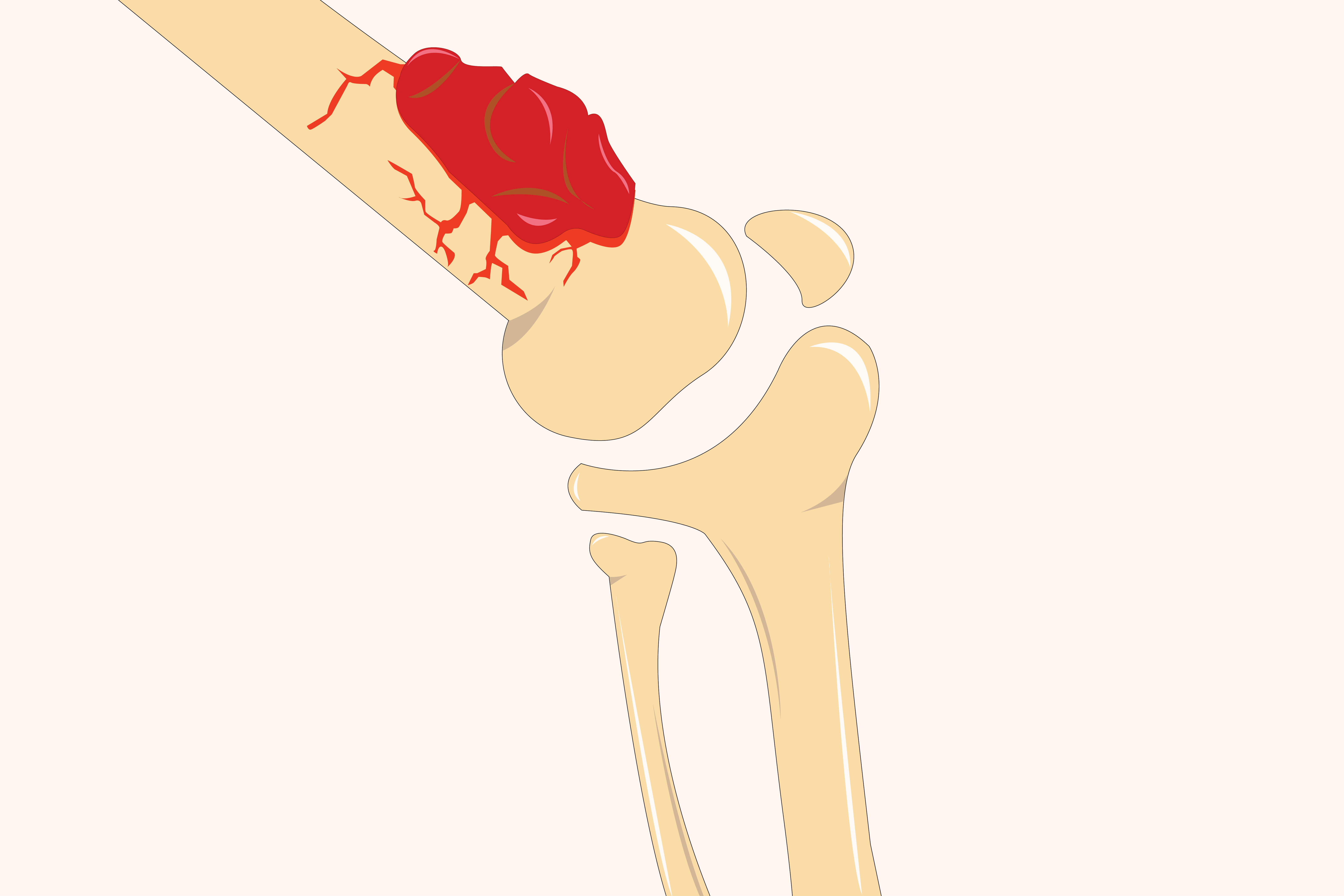
What Are Bone Tumors?
Bone tumors are unusual growths that form in the bones. Sometimes, these growths are harmless. Other times, they can be dangerous. The main types are benign and malignant bone tumor growths. Knowing the difference between benign and malignant bone tumors is important for your health. Both types can cause symptoms, but they behave differently. Early detection helps with better outcomes.
Benign Bone Tumors: Definition, Symptoms, and Causes
Benign bone tumors are non-cancerous. They do not spread to other parts of the body. Most benign tumors grow slowly and may not cause problems. However, some can cause pain or swelling.
Usually, benign tumors develop for unknown reasons. Sometimes, they are linked to injuries or genetic factors. For example, some children may develop them as they grow. Most benign tumors do not turn into cancer.
Malignant Bone Tumors: Definition, Symptoms, and Causes
Malignant bone tumors are cancerous. They can grow quickly and may spread to other parts of the body. Because of this, they are more serious than benign tumors.
Malignant tumors often have no clear cause. However, some risk factors include past radiation treatment, certain genetic conditions, or family history. Osteosarcoma and Ewing sarcoma are examples of malignant bone tumors.
Key Differences Between Benign and Malignant Bone Tumors
Understanding the difference between benign and malignant bone tumors is important. Here are the main differences:
Because of these differences, doctors use special tests to tell them apart.
Diagnosis of Bone Tumors
Doctors use several steps to diagnose bone tumors. First, they ask about symptoms and medical history. Next, they may do a physical exam. After that, they use tests to learn more.
With these tests, doctors can tell if the tumor is benign or malignant. Early diagnosis helps guide the best bone tumor treatment options.
Treatment Options for Bone Tumors
Treatment depends on the type of bone tumor. For benign bone tumors, doctors may just watch the tumor. Sometimes, surgery is needed if the tumor causes pain or weakens the bone.
For malignant bone tumors, treatment is more urgent. Options may include:
Doctors often use a team approach. This means you may see surgeons, cancer doctors, and other specialists. According to the World Health Organization (WHO), early treatment improves the chances of recovery.
Prevention and Lifestyle Tips
While you cannot always prevent bone tumors, some steps may help. For example, staying active and eating a healthy diet support bone health. In addition, avoid smoking and limit alcohol. If you have a family history of bone tumors, tell your doctor. Regular check-ups can help find problems early.
When to See a Doctor
If you notice pain, swelling, or a lump near a bone, see a doctor. Also, if you have symptoms that do not go away, get checked. Early care can make a big difference. Remember, not all bone tumors are cancer. However, only a doctor can tell for sure.
For more information, Consult Dr Kamal Kishor Jajunda for personalized guidance.