What Is Avascular Necrosis?
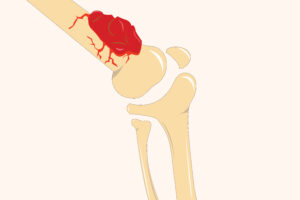
Avascular necrosis is a serious bone condition. It happens when blood flow to a bone stops or slows down. Without enough blood, bone tissue dies. Over time, this can lead to bone collapse. Many people call it “bone death.” Early signs of avascular necrosis can be mild, but the problem can get worse if not treated. According to the World Health Organization (WHO), this condition often affects the hip, but it can happen in other bones too.
Common Causes and Risk Factors
Several things can cause avascular necrosis. Sometimes, the reason is not clear. However, doctors have found some common causes and risk factors:
In addition, people with certain health problems may face a higher risk. For example, those with diabetes or high cholesterol should be careful. Knowing these risk factors can help you protect your orthopedic bone health.
Signs and Symptoms
At first, avascular necrosis may not cause any pain. But as the bone damage gets worse, symptoms appear. Early signs of avascular necrosis include:
For example, if the hip is affected, you may feel pain in your groin, thigh, or buttock. Over time, the pain can become severe and limit your daily activities.
Diagnosis Methods
Doctors use several methods to diagnose avascular necrosis. First, they will ask about your symptoms and medical history. Next, they may do a physical exam. To confirm the diagnosis, doctors often use imaging tests, such as:
Early diagnosis is important. It can help prevent further bone damage and improve treatment results. The Centers for Disease Control and Prevention (CDC) also recommends regular check-ups for people at risk.
Treatment Options
Treatment for avascular necrosis depends on how much bone is damaged. There are several avascular necrosis treatment options:
In some cases, early treatment can stop the disease from getting worse. However, advanced cases may need surgery. Always talk to your doctor about the best treatment for you.
Prevention Tips
While not all cases can be prevented, you can lower your risk. Here are some tips:
Additionally, regular check-ups can help catch problems early. Early action can protect your bone health.
Lifestyle Guidance for Patients
Living with avascular necrosis can be challenging. However, you can take steps to manage your condition. For example, follow your treatment plan closely. Use walking aids if needed to reduce joint stress. Eat a balanced diet rich in calcium and vitamin D. Stay active with gentle exercises, like swimming or cycling. But avoid high-impact sports that may hurt your joints. Moreover, talk to your doctor before starting any new activity.
Conclusion
Avascular necrosis is a serious bone condition, but early action can help. If you notice pain or stiffness in your joints, do not ignore it. Consult Dr Kamal Kishor Jajunda for personalized advice on avascular necrosis. Your bone health matters.