What Are Bone Sarcomas in Children?
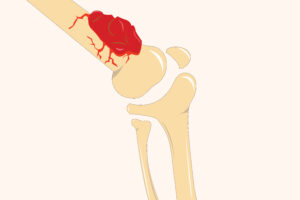
Bone sarcomas in children are rare cancers that start in the bones. These cancers are also called pediatric bone tumors or childhood bone cancer. While bone sarcomas can affect anyone, they are more common in children and teenagers. The most common types are osteosarcoma and Ewing sarcoma. Both types can grow quickly, so early detection is important. Although these cancers are rare, knowing the signs of bone sarcoma in kids can help parents act fast. According to the World Health Organization (WHO), early diagnosis improves treatment outcomes.
Common Symptoms and Warning Signs
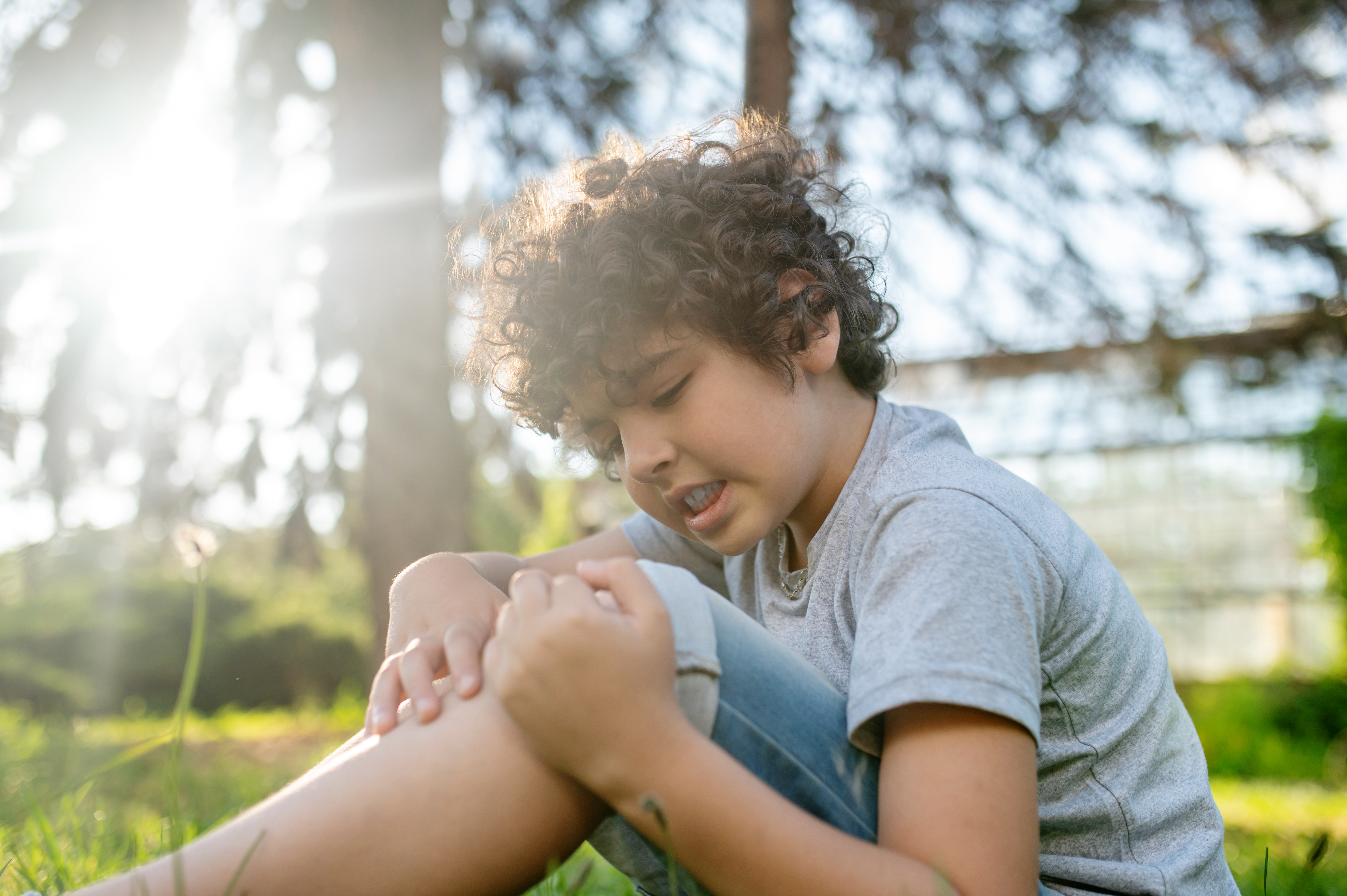
Often, bone sarcomas in children may not cause symptoms right away. However, certain signs can help parents notice problems early. For example, pain in the bones or joints is common. Sometimes, swelling or a lump may appear. Other symptoms can include:
If you notice any of these signs of bone sarcoma in kids, talk to your doctor soon. Early action can make a big difference.
Causes and Risk Factors
Doctors do not always know what causes bone sarcomas in children. Still, some risk factors may increase the chance of developing these cancers. For instance, certain genetic conditions can play a role. Other possible risk factors include:
However, most children with bone sarcomas do not have any known risk factors. Therefore, it is important to watch for symptoms even if your child seems healthy.
How Bone Sarcomas Are Diagnosed
When a doctor suspects a bone tumor, several tests can help confirm the diagnosis. First, the doctor will ask about your child’s symptoms and medical history. Next, they may order imaging tests, such as:
In addition, a biopsy is often needed. During a biopsy, a small piece of the tumor is removed and examined under a microscope. This test helps doctors know the exact type of bone sarcoma. According to the CDC, early diagnosis and treatment can improve survival rates.
Treatment Options for Pediatric Bone Sarcomas
Treatment for bone sarcomas in children depends on the type and stage of the cancer. Usually, a team of specialists will create a plan for your child. Common treatment options include:
Sometimes, a combination of treatments works best. Your child’s care team will explain the benefits and risks of each option. With advances in medicine, many children recover and return to normal activities.
Tips for Parents: Supporting Your Child
Learning your child has a bone sarcoma can be overwhelming. However, there are ways to help your child cope. For example, you can:
Above all, remember that you are not alone. Many resources are available for families facing childhood bone cancer.
Prevention and Early Detection
Currently, there is no sure way to prevent bone sarcomas in children. Most cases happen without a clear cause. Still, early detection can help improve outcomes. Therefore, watch for any unusual pain, swelling, or changes in your child’s movement. If you notice anything unusual, seek medical advice right away. Regular check-ups can also help spot problems early.
When to Consult a Specialist
If your child has ongoing bone pain, swelling, or other warning signs, consult a pediatric oncology specialist. Early referral to a specialist can lead to faster diagnosis and better treatment. In addition, specialists can answer your questions and guide your family through each step. Do not wait if you are worried about your child’s health.
Consult a pediatric oncology Dr. Kamal Kishor Jajunda specialist for personalized advice and early intervention.