Overview of Joint Replacement Revision Surgery
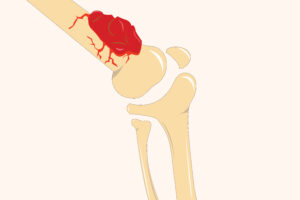
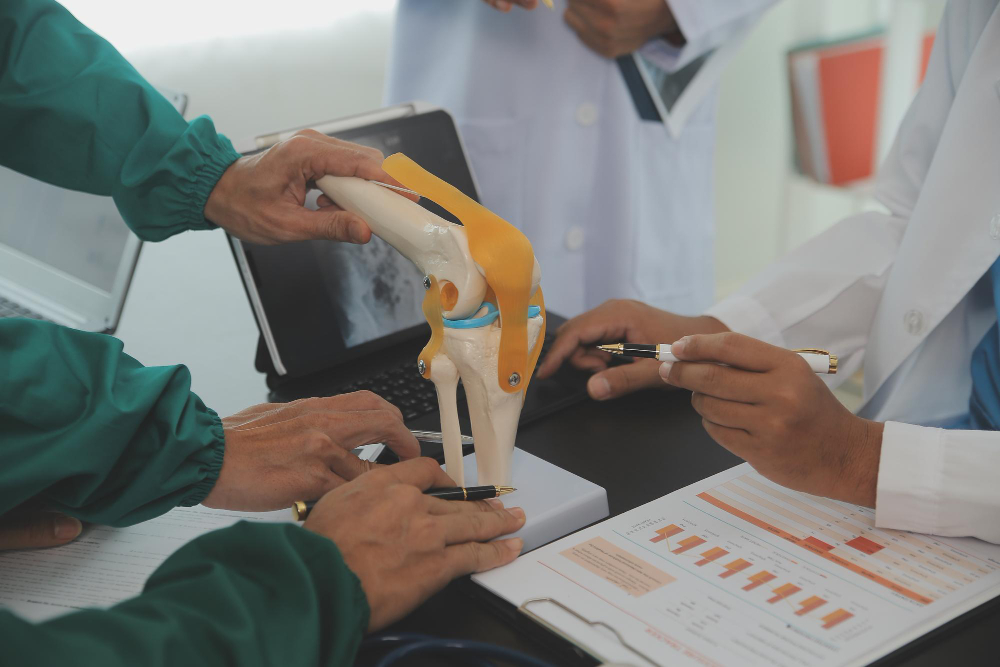
Joint replacement revision surgery is a procedure to fix or replace an artificial joint that is not working well. Sometimes, the first joint replacement may wear out, become loose, or cause pain. In these cases, doctors may suggest a revision surgery. If you are wondering what to expect after joint replacement revision surgery, this guide will help you understand the process. Knowing what lies ahead can make recovery easier and less stressful.
Common Reasons for Revision Surgery
There are several reasons why someone might need joint replacement revision surgery. Often, the artificial joint may wear out over time. In other cases, problems such as infection or joint instability can occur. Here are some common reasons:
Because these issues can affect your daily life, revision surgery may be needed to restore comfort and movement.
Immediate Post-Surgery Expectations
After joint replacement revision surgery, you will spend some time in the recovery room. Nurses and doctors will monitor your vital signs closely. You may feel groggy or tired from anesthesia. In most cases, you will have a bandage over the surgical area. Some people may have a drain to remove extra fluid. Because swelling and pain are common, your care team will help manage these symptoms. You may start gentle movements or physical therapy soon after surgery, depending on your doctor’s advice.
Recovery Timeline and Milestones
Recovery after joint replacement revision surgery can take longer than after the first surgery. However, most people see steady progress over time. Here is a general timeline:
Since every person heals differently, your recovery may be faster or slower. Always follow your doctor’s advice for the best results.
Pain Management and Rehabilitation
Managing pain after joint replacement revision is important for a smooth recovery. Your doctor may prescribe pain medicine or suggest ice packs. In addition, physical therapy is key to regaining strength and movement. Here are some common pain management and rehabilitation steps:
Because rehabilitation after revision surgery can be challenging, staying active and following your care plan will help you recover faster.
Potential Risks and Complications
Like any surgery, joint replacement revision has some risks. However, most people recover without serious problems. Possible complications include:
Because early treatment can prevent serious issues, always report new symptoms to your doctor right away. The World Health Organization and CDC recommend following all post-surgery care instructions to lower your risk.
Tips for a Smooth Recovery
There are many ways to support your recovery after joint replacement revision surgery. For example, you can:
Because small steps can make a big difference, taking care of yourself will help you heal faster and avoid problems.
When to Contact Your Doctor
It is important to know when to seek medical help after joint replacement revision surgery. Contact your doctor if you notice:
Because early action can prevent serious problems, do not wait to get help if you have these symptoms.
Consult a specialist for personalized advice and support after joint replacement revision surgery.