What Are Soft Tissue Sarcomas?
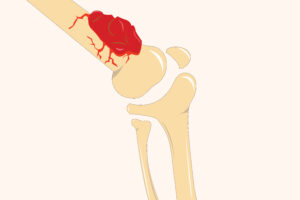
Soft tissue sarcomas are rare cancers. They start in the body’s soft tissues, such as muscles, fat, or nerves. These tissues support and connect different parts of the body. Although soft tissue sarcomas can develop anywhere, they often appear in the arms, legs, or abdomen. According to the World Health Organization (WHO), these cancers make up less than 1% of all adult cancers. However, early detection is key to better outcomes.
Why Early Detection Matters
Early detection of soft tissue sarcomas can save lives. When found early, these cancers are easier to treat. In fact, treatment is often more successful before the cancer spreads. Because soft tissue sarcomas can grow quietly, regular screening helps catch them before symptoms become severe. As a result, patients have more treatment options and a higher chance of recovery. According to the American Cancer Society, early-stage sarcomas have a better survival rate.
Common Symptoms to Watch For
It is important to know the warning signs. While many people do not notice symptoms at first, you should watch for:
Sometimes, these symptoms are caused by other conditions. Still, it is wise to get any unusual lump checked by a doctor.
How Regular Screening Helps
Regular screening plays a big role in spotting soft tissue sarcomas early. For people at higher risk, such as those with a family history or certain genetic conditions, screening is even more important. Screening may include physical exams or imaging tests like MRI or ultrasound. With regular checks, doctors can find changes before they become serious. This means treatment can start sooner, which often leads to better results.
Diagnosis: What to Expect
If your doctor suspects a soft tissue sarcoma, you may need several tests. These can include:
After these tests, your doctor will explain the results and discuss next steps. Early diagnosis helps guide the best treatment plan.
Prevention and Lifestyle Tips
While you cannot always prevent soft tissue sarcomas, healthy habits may lower your risk. For example, you can:
Additionally, knowing your family history and discussing it with your doctor can help you understand your risk.
When to Consult a Doctor
If you notice a new lump, swelling, or pain that does not go away, see your doctor. Even if symptoms seem minor, early evaluation is important. Moreover, if you have a family history of sarcoma or related genetic conditions, ask your doctor about regular screening. Early action can make a big difference in your health.
In summary, spotting soft tissue sarcomas early provides the best chance for effective treatment. Awareness of symptoms and regular screening are essential. Consult Dr Kamal Kishor Jajunda for personalized guidance on early detection and management of soft tissue sarcomas.